14 September 2026
Source: Reuters — EU allows Lesotho’s MG Health to export cannabis flower for medicinal use
How medical cannabis and hemp actually get imported into the EU
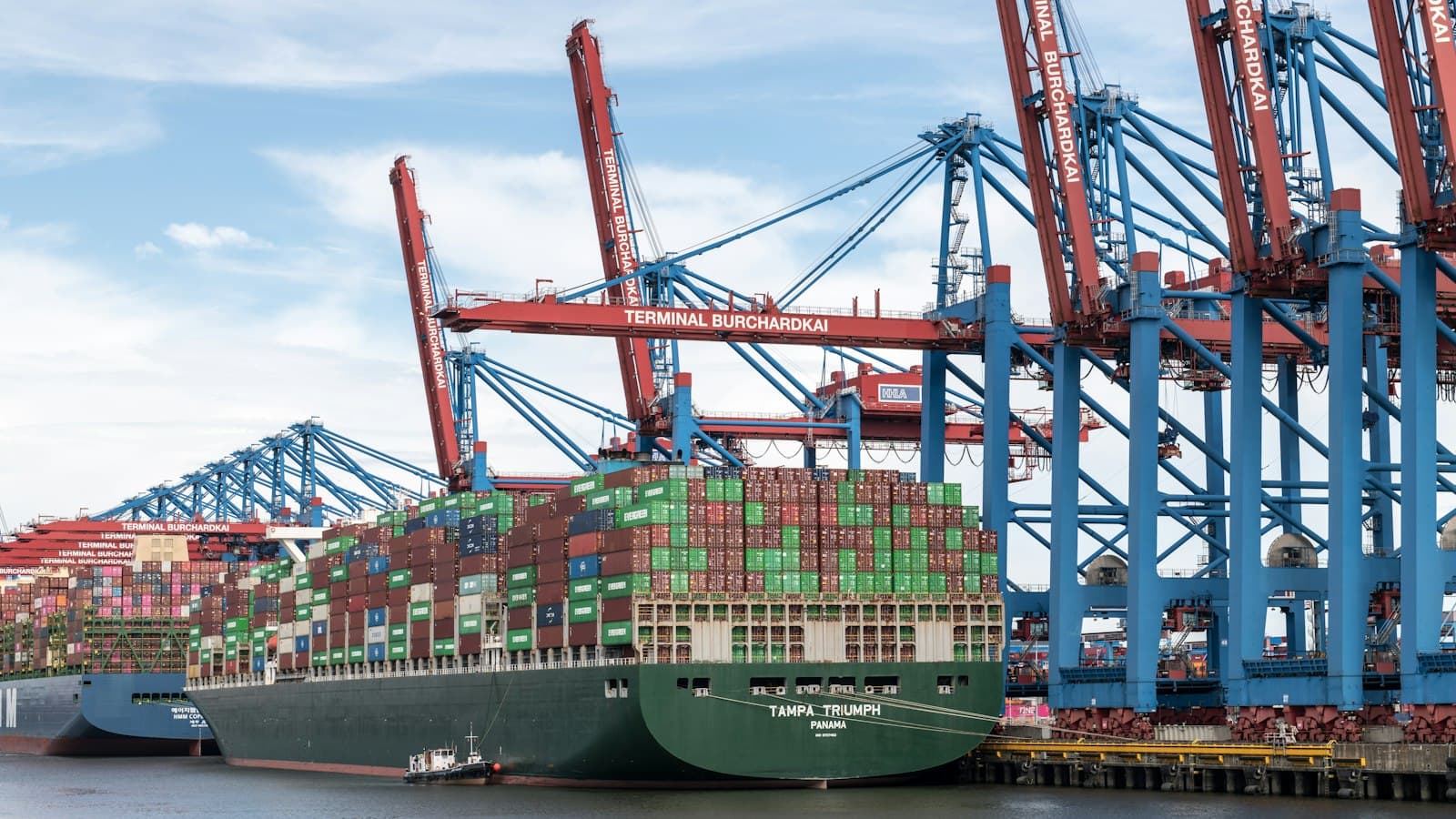
Importing “weed” into the EU is legal when it is the right product in the right box. Medical cannabis is a medicine. Industrial hemp is an agricultural good. Mixing those files is how a container dies in customs. The positive news is that the path is already in use: Lesotho flower has been authorised into the EU as an active pharmaceutical ingredient under EU-GMP since 2021, and South African GMP producers are shipping into Germany and the UK today.
For medical cannabis from a third country, the usual stack is GACP at cultivation, EU-GMP on manufacturing and packaging, an EU-based authorised importer, consignment-level narcotics permits, a batch COA, and Qualified Person certification before the goods can be released onto the market. Some producing countries sit on an EU list that eases written confirmations; South Africa and most of Africa do not — which means the export file and, often, EU-side batch testing have to be complete. That is paperwork. It is not a ban.
Hemp is a different import
Industrial hemp (fibre, seed, and — if the Commission’s CMO proposal lands — other plant parts under the 0.3% THC cap) moves as an agricultural product, not as a narcotic medicine. Variety, THC, and intended use still have to match Union and Member State rules. Food and novel-food law still sit on top of anything meant to be eaten. A hemp offtake from an African farm into Ireland is a customs and plant-health job, not a pharmacy licence.
Rehemption runs both corridors. If you are buying medical flower from a Lesotho, Congo, or South African partner site, we build the medicines import: licences, quality agreement, QP, permits. If you are buying hemp, we build the agricultural import. Either way the African facility is the supply. Europe is the purchase. The file in the middle is the consultancy.